
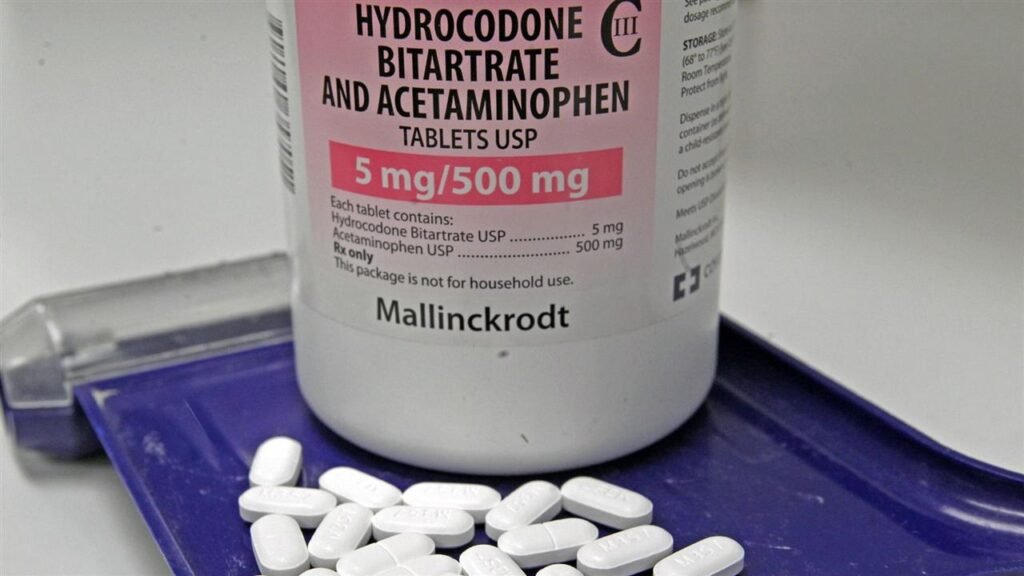
Vicodin
Experience comprehensive discomfort relief with Vicodin, a powerful combination of hydrocodone and acetaminophen. This prescription medication is designed for moderate to severe discomfort where other treatments fall short, providing effective relief from acute and chronic conditions.
- Potent opioid and non-opioid synergy
- Ideal for post-surgical, injury, or severe chronic discomfort
- Available in 30, 60, or 90 pill quantities
- Free shipping on orders $300+ — Bitcoin always free
- Discreet packaging — plain, unmarked, no cannabis references
- Same-day dispatch on paid orders before 3pm PST
- Mix & Match — save up to 45% on flower at cart
Buy Vicodin Online in Canada
For individuals in Canada seeking a comprehensive solution for managing moderate to severe discomfort, the option to buy Vicodin online presents a path towards relief. At Bulk Buddy, we understand the critical need for reliable access to pharmaceuticals for our customers who have legitimate prescriptions. Our platform ensures a discreet, secure, and efficient process for acquiring necessary medications, always prioritizing customer confidentiality and adherence to Canadian standards. Vicodin, a potent combination analgesic, is prescribed by healthcare professionals when other pain relief options prove insufficient, offering a significant impact on quality of life for those experiencing persistent or acute discomfort.
Choosing to procure your medication through Bulk Buddy means opting for a service that values your privacy and peace of mind. We meticulously handle every order, ensuring that the process from selection to delivery is seamless and secure. Our commitment extends to providing detailed, factual information about the products we offer, empowering our customers to make informed decisions in consultation with their healthcare providers. When life’s challenges require a robust approach to managing discomfort, trust Bulk Buddy to deliver with integrity and care across Canada.
Why Buy Vicodin From Bulk Buddy
- Free Xpresspost Shipping on Orders Over $150: Enjoy complimentary, expedited shipping directly to your door, ensuring your order arrives quickly and efficiently.
- Mix & Match Up to 45% Off: Take advantage of significant savings by combining different products to meet your unique needs while securing substantial discounts.
- AAAA Quality Products: We commit to providing only the highest standard of products, ensuring efficacy and reliability for our customers.
- Lab-Tested for Purity and Potency: All our products undergo stringent laboratory testing to confirm their quality, purity, and active ingredient concentration.
- Discreet & Secure Packaging: Your privacy is paramount. All orders are shipped in unmarked, smell-proof packaging to ensure confidentiality and discretion.
- Convenient e-Transfer & Bitcoin Payments: We offer flexible and secure payment options, including Interac e-Transfer and Bitcoin, for your convenience.
- Same-Day Dispatch: Orders placed before our daily cut-off are processed and shipped on the same day, minimizing wait times for essential medications.
- Trusted by 96,000+ Satisfied Customers: Join a vast community of Canadians who rely on Bulk Buddy for their pharmaceutical and cannabis needs, a testament to our consistent quality and service.
Understanding Vicodin: A Comprehensive Overview
Vicodin is a well-known prescription medication utilized for the management of discomfort ranging from moderate to severe. It represents a synergistic blend of two distinct active compounds: hydrocodone and acetaminophen. Hydrocodone is an opioid analgesic, working primarily on the central nervous system to alter the body’s perception of discomfort. It binds to opioid receptors in the brain and spinal cord, effectively diminishing the sensation of discomfort. Acetaminophen, on the other hand, is a non-opioid pain reliever and fever reducer that works through different mechanisms, often by inhibiting prostaglandin synthesis in the central nervous system. The combination of these two ingredients in Vicodin allows for a more comprehensive approach to discomfort relief, often providing greater efficacy than either component used alone.
The formulation of Vicodin is designed to provide effective relief for conditions where over-the-counter options are insufficient. This includes acute discomfort following surgical procedures, injury-related discomfort, or for the management of certain chronic discomfort conditions under strict medical supervision. Due to its potent nature and the presence of an opioid component, Vicodin is classified as a controlled substance and requires a prescription from a licensed healthcare professional. Understanding its components and intended use is crucial for anyone considering this medication.
Hydrocodone: The Opioid Component
Hydrocodone is a semi-synthetic opioid derived from codeine and thebaine. Its primary action is as an agonist at the μ-opioid receptors in the brain and spinal cord. When hydrocodone binds to these receptors, it mimics the effects of naturally occurring endorphins, leading to a reduction in discomfort signals sent to the brain and an increase in the individual’s discomfort tolerance. This analgesic effect is potent and is a key reason for its inclusion in Vicodin. Beyond discomfort relief, hydrocodone can also produce feelings of euphoria and sedation, which contribute to its potential for misuse and necessitates careful monitoring by prescribing physicians.
Acetaminophen: The Non-Opioid Component
Acetaminophen, often recognized by brand names such as Tylenol, is a widely used analgesic and antipyretic. While its precise mechanism of action is not entirely understood, it is believed to work primarily in the central nervous system by inhibiting cyclooxygenase (COX) enzymes, particularly COX-2. This inhibition leads to a reduction in prostaglandin synthesis, which are compounds involved in discomfort and inflammation pathways. Unlike NSAIDs (non-steroidal anti-inflammatory drugs), acetaminophen has minimal anti-inflammatory effects in the periphery, but its central action contributes significantly to its discomfort-relieving properties. The inclusion of acetaminophen in Vicodin not only enhances the overall analgesic effect but also allows for a lower dose of hydrocodone to be effective, potentially reducing the risk of opioid-related side effects.
Mechanism of Action and Efficacy
The effectiveness of Vicodin stems from the synergistic action of hydrocodone and acetaminophen. Hydrocodone’s opioid activity directly modulates the body’s perception of discomfort, while acetaminophen provides an additional, distinct analgesic pathway. This dual-pronged approach means that individuals often experience more profound and sustained relief from discomfort compared to using either drug independently. The precise ratio of hydrocodone to acetaminophen in various Vicodin formulations is carefully calibrated to optimize therapeutic effects while managing potential risks.
When taken as prescribed, Vicodin can significantly improve an individual’s ability to engage in daily activities, improve sleep quality, and generally enhance well-being during periods of acute or chronic discomfort. Its efficacy is particularly noted in post-operative recovery, after significant injuries, or for individuals with conditions where standard treatments have not provided sufficient relief. Understanding how these two compounds work together helps to appreciate why Vicodin is considered a potent option in discomfort management.
Proper Usage and Dosage Recommendations
Adhering strictly to prescribed usage and dosage instructions is paramount when taking Vicodin. Dosage will vary based on the individual’s specific needs, the severity of the discomfort, and the specific formulation of Vicodin (which typically differs in the amount of hydrocodone per tablet). It is crucial never to exceed the prescribed dose or frequency of administration, as this can lead to serious adverse effects, including liver damage due to the acetaminophen component and respiratory depression from the hydrocodone.
Important Considerations for Administration:
- Follow Prescription Exactly: Always take Vicodin precisely as instructed by your healthcare provider. Do not alter the dose, frequency, or duration of treatment without consulting your doctor.
- Do Not Crush or Break Tablets: Unless specifically advised by a pharmacist or physician, tablets should be swallowed whole. Crushing or breaking can lead to a rapid release of the active ingredients, increasing the risk of adverse effects.
- Avoid Alcohol: Concurrent use of alcohol with Vicodin can significantly enhance sedative effects and increase the risk of liver damage due to acetaminophen, and respiratory depression due to hydrocodone.
- Inform Your Doctor of Other Medications: Always disclose all other medications, supplements, and herbal products you are taking to your healthcare provider to avoid potentially dangerous drug interactions.
- Managing Missed Doses: If a dose is missed, take it as soon as you remember, unless it is almost time for your next scheduled dose. Never double your dose to make up for a missed one.
- Discontinuation: Abrupt cessation of Vicodin, particularly after prolonged use, can lead to withdrawal symptoms. Your doctor will provide guidance on how to safely taper the medication if it needs to be discontinued.
Potential Side Effects and Safety Information
Like all medications, Vicodin carries a risk of side effects, ranging from common and mild to rare and severe. Being aware of these potential effects is an important part of responsible medication use. Users may experience drowsiness, dizziness, lightheadedness, nausea, vomiting, constipation, or stomach upset. These are generally mild and may subside as the body adjusts to the medication. Staying hydrated and consuming a diet rich in fiber can help manage constipation.
More serious side effects, though less common, require immediate medical attention. These include severe allergic reactions (rash, itching/swelling, severe dizziness, trouble breathing), extreme drowsiness, confusion, shallow breathing, slow heartbeat, seizures, difficulty urinating, or mood changes. The acetaminophen component carries a risk of liver damage, especially if taken in excessive doses or with alcohol. Signs of liver problems may include persistent nausea or vomiting, loss of appetite, dark urine, or yellowing of the skin/eyes. It is critical to never exceed the maximum daily dose of acetaminophen from all sources to prevent liver toxicity. Opioid-related side effects can include respiratory depression, which is a life-threatening condition. Always discuss any concerns or adverse reactions with your healthcare provider.
Managing Common Side Effects:
- Nausea: Taking Vicodin with food may help reduce stomach upset.
- Constipation: Increase fluid intake, consume dietary fiber, and consider over-the-counter stool softeners if recommended by your doctor.
- Drowsiness/Dizziness: Avoid driving or operating heavy machinery until you know how the medication affects you. Limit activities that require full alertness.
Storage Recommendations for Vicodin
Proper storage of Vicodin is essential to maintain its efficacy and ensure safety, particularly given its status as a controlled substance. Store Vicodin at room temperature, away from direct light and moisture. Keep the medication in its original container, tightly closed, and out of reach of children and pets. Due to its potential for misuse, it is highly recommended to store Vicodin in a secure location, such as a locked cabinet, to prevent unauthorized access. Never store medication in the bathroom, as the humidity can degrade the product.
When disposing of expired or unused Vicodin, follow local guidelines for proper medication disposal to prevent environmental contamination and accidental ingestion. Many pharmacies offer take-back programs for controlled substances. Do not flush medication down the toilet or throw it in the trash unless specifically instructed to do so by local authorities or a healthcare professional.
Who Is Vicodin For?
Vicodin is prescribed for individuals experiencing moderate to severe discomfort that has not responded adequately to non-opioid analgesics. It is typically considered for short-term management of acute discomfort, such as post-surgical discomfort, discomfort following injuries, or for exacerbations of chronic discomfort conditions. It is not generally intended for long-term use due to the potential for dependence and other risks associated with opioid therapy. Patients with certain medical conditions, including respiratory issues, liver disease, kidney disease, or a history of substance use disorder, may require careful consideration and monitoring if prescribed Vicodin.
A healthcare professional will assess an individual’s complete medical history, current medications, and the nature of their discomfort to determine if Vicodin is an appropriate and safe treatment option. Open communication with one’s doctor about all health concerns and medication history is vital to ensure the safe and effective use of this medication.
Frequently Asked Questions About Vicodin
What is the main difference between Vicodin and other pain relievers?
The primary difference lies in its composition. Vicodin combines an opioid (hydrocodone) with a non-opioid analgesic (acetaminophen). This combination offers a more potent discomfort-relieving effect than many other single-ingredient pain relievers, particularly those available over-the-counter or non-opioid prescription medications. The opioid component makes it effective for more severe levels of discomfort.
How long does Vicodin take to work, and how long do the effects last?
Typically, individuals may start to feel the effects of Vicodin within 20 to 30 minutes after taking a dose. The peak effects usually occur within 1 to 2 hours. The duration of discomfort relief generally lasts for about 4 to 6 hours, depending on individual metabolism and the specific formulation of the medication. It’s important to monitor the timing between doses as prescribed to maintain consistent discomfort management and avoid taking too much.
Can I take Vicodin with other medications?
It is crucial to inform your doctor and pharmacist about all other medications, supplements, and herbal products you are currently taking before starting Vicodin. Certain medications can interact with Vicodin, potentially increasing side effects or reducing its effectiveness. For example, other central nervous system depressants (like alcohol, benzodiazepines, or other opioids) can significantly increase drowsiness and respiratory depression. Medications that affect liver enzymes can also alter how Vicodin is processed by the body, necessitating dose adjustments or careful monitoring.
What should I do if I experience side effects?
If you experience mild side effects such as nausea or constipation, try managing them with simple methods (e.g., taking with food, increasing fiber for constipation). If side effects persist, worsen, or if you experience any severe or unusual symptoms such as extreme drowsiness, difficulty breathing, allergic reactions (hives, swelling), yellowing of the skin/eyes, or severe abdominal discomfort, seek immediate medical attention or contact your healthcare provider promptly. Do not ignore severe symptoms.
Is Vicodin addictive?
Yes, Vicodin contains hydrocodone, an opioid, and like all opioid medications, it carries a risk of physical dependence and addiction, especially with prolonged use or at higher doses. It is crucial to use Vicodin exactly as prescribed by your doctor and not to exceed the recommended dosage. If you have concerns about dependence or addiction, or if you have a history of substance use disorder, discuss these with your healthcare provider to ensure safe and appropriate treatment.
Can Vicodin be used for chronic discomfort?
While Vicodin can effectively manage chronic discomfort, it is generally prescribed for short-term use due to the risks of dependence and other long-term side effects associated with opioids. For chronic discomfort management, healthcare providers often prefer to explore non-opioid alternatives or a multidisciplinary approach to minimize risks. If Vicodin is deemed necessary for chronic discomfort, it will be under strict medical supervision with regular re-evaluations to ensure its continued appropriateness and safety.
What if I miss a dose of Vicodin?
If you miss a dose, take it as soon as you remember, provided it is not almost time for your next scheduled dose. If it is close to the time for your next dose, skip the missed dose and resume your regular dosing schedule. Do not take a double dose to make up for a missed one, as this can increase the risk of side effects, particularly from the acetaminophen component which can lead to liver damage.
How should Vicodin be safely stored and disposed of?
Store Vicodin securely at room temperature, away from light and moisture, and out of reach of children and pets. Due to its potential for misuse, it should be kept in a locked cabinet. For disposal of expired or unused medication, follow local guidelines for controlled substances. Do not flush down the toilet or throw in household trash. Many pharmacies offer take-back programs for safe disposal.
Why is it important to avoid alcohol while taking Vicodin?
Combining alcohol with Vicodin can significantly amplify the sedative effects of hydrocodone, leading to extreme drowsiness, dizziness, impaired coordination, and a dangerously slowed breathing rate (respiratory depression). Furthermore, both alcohol and the acetaminophen in Vicodin are metabolized by the liver, and concurrent use greatly increases the risk of severe liver damage. Therefore, it is strongly advised to avoid all alcoholic beverages while on Vicodin.
| Quantity | 30 Pills, 60 Pills, 90 Pills |
|---|
Shipping
Discreet Canada Post Xpresspost tracked shipping — 1–3 business days to major cities. Free on orders $300+. Bitcoin orders always ship free.
Payment
We accept Interac e-Transfer and Bitcoin (BTC). Payment details are emailed within minutes of checkout.
Join 96,000+ Canadian buyers who trust Bulk Buddy. Logged-in customers can leave a verified review after their order ships.