

Buy Flake Cocaine In Canada
Price range: $160.00 through $2,500.00
Lab-tested, discreetly shipped across Canada. Mix & Match up to 45% off — free Xpresspost on orders $300+.







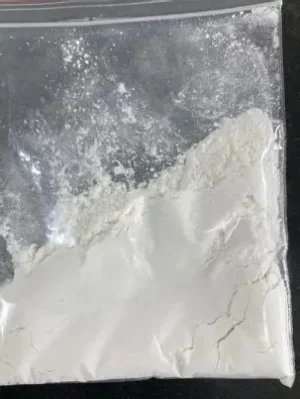


Searches related to buying cocaine online often reflect curiosity, risk-taking behavior, or attempts to bypass traditional supply channels. In Canada, cocaine is classified as a Schedule I controlled substance under the Controlled Drugs and Substances Act. This means possession, trafficking, production, and distribution — including online — are illegal. Websites or individuals claiming to sell cocaine online operate outside the law, and engaging with them can expose individuals to serious legal, financial, and health consequences.
Online drug markets also present safety concerns beyond legality. Products sold without oversight may be contaminated with substances such as fentanyl or other synthetic opioids, dramatically increasing overdose risk. There is no quality control, no accurate dosage labeling, and no medical screening. From a public health standpoint, these risks are significant and have been linked to rising overdose rates in multiple regions.
Understanding this context is essential. Information around cocaine should focus on awareness, prevention, and access to support services rather than acquisition.
The idea of buying cocaine online is often associated with anonymity and convenience, but the reality is far more complex and dangerous. Law enforcement agencies actively monitor digital marketplaces, encrypted messaging platforms, and payment channels used in illegal drug distribution. Transactions may be traceable, and penalties for involvement in drug purchasing or trafficking can be severe.
Beyond legal exposure, health risks remain the most pressing concern. Illicit cocaine can vary widely in purity and composition. Adulterants may include stimulants, anesthetics, or opioids, each carrying its own health implications. Users cannot reliably determine potency or contamination, making dosage unpredictable and increasing the chance of adverse reactions.
From a harm-reduction perspective, public health organizations emphasize education, substance awareness, and access to treatment services. Individuals who feel pressure to obtain or use substances are encouraged to seek professional support, mental health care, or addiction services rather than turning to unsafe channels.
In Canada, the legal framework surrounding cocaine is strict and enforced at both federal and provincial levels. The Controlled Drugs and Substances Act prohibits possession and distribution except under extremely limited scientific or medical research permissions. Online distribution is treated the same as physical trafficking and may carry significant criminal penalties.
Canadian public health authorities focus on prevention, early intervention, and treatment accessibility. Campaigns highlight the risks associated with illicit substances, particularly contamination and overdose. Communities across Canada have invested in harm-reduction programs, supervised consumption services, and addiction treatment initiatives to reduce fatalities and improve recovery outcomes.
Education plays a key role in these efforts. Providing accurate information about substances, legal consequences, and available support resources helps individuals make safer choices and seek assistance when needed.
Search intent around “buy cocaine” often overlaps with broader questions about its effects, risks, and why individuals use stimulants. Cocaine is a powerful central nervous system stimulant derived from coca plant leaves. It produces short-term effects such as increased energy, heightened alertness, and euphoria. These effects occur rapidly but wear off quickly, which can lead to repeated use in short periods.
However, cocaine use carries significant health risks. Short-term effects may include elevated heart rate, increased blood pressure, anxiety, paranoia, and reduced appetite. In higher doses, it can cause heart rhythm disturbances, seizures, and overdose. Long-term use is associated with cardiovascular disease, respiratory complications, neurological effects, and increased risk of substance dependence.
Psychological effects can also be substantial. Repeated stimulant use may contribute to mood instability, sleep disruption, and mental health challenges such as depression or anxiety. Dependence can develop over time, making cessation difficult without professional support.
Cocaine’s impact on the body is linked to its influence on dopamine pathways in the brain. This mechanism reinforces reward-seeking behavior and contributes to its addictive potential. While some individuals may perceive short-term benefits such as alertness or confidence, these are often followed by “crash” periods characterized by fatigue, irritability, and low mood.
Overdose risk is a major concern. Symptoms may include chest pain, difficulty breathing, severe agitation, confusion, and loss of consciousness. When combined with alcohol or other drugs, the risk increases significantly. In Canada, the presence of fentanyl in stimulant supplies has added another layer of danger, contributing to unpredictable overdose patterns.
Public health guidance emphasizes awareness, avoidance of unknown substances, and access to emergency care when symptoms appear.
Possession of cocaine in Canada can result in criminal charges, fines, and potential imprisonment. Trafficking, importing, or producing the substance carries even more severe penalties. Legal outcomes vary depending on circumstances, but the risks are substantial and long-lasting, potentially affecting employment, travel, and personal records.
Canadian policy discussions increasingly include prevention, treatment access, and harm-reduction strategies, recognizing substance use as both a legal and public health issue. However, legality has not changed: cocaine remains prohibited outside specific research contexts.
Individuals struggling with substance use are not alone, and help is available. Canada provides multiple pathways for support, including:
addiction counseling services
mental health professionals and therapy programs
community health centers
national and provincial helplines
residential and outpatient treatment programs
Treatment approaches may involve behavioral therapy, medical support, peer recovery programs, and ongoing mental health care. Early intervention often leads to better outcomes, and many services are confidential and accessible without judgment.
Family members and friends can also play a role by encouraging supportive conversations and guiding individuals toward professional help rather than attempting to manage substance issues alone.
Educational content about cocaine should prioritize safety, prevention, and accurate awareness. Misinformation can increase harm, while clear, medically informed resources empower individuals to make better decisions and seek assistance when necessary.
In Canada, public health organizations continue to advocate for informed dialogue, community support systems, and access to treatment. These efforts aim to reduce overdose rates, improve recovery outcomes, and address the broader social and health impacts associated with illicit drug use.
Understanding the legal status, health effects, and available resources is an important step toward safer communities and informed personal choices.